
In California, energy efficiency isn’t just a trend—it’s a state mandate. Title 24 CA requirements play a crucial role in residential roofing, ensuring homes are energy-efficient and environmentally friendly. For homeowners, understanding these requirements can seem daunting. However, with the guidance of a certified roofing installer, navigating Title 24 regulations becomes straightforward. This article will cover everything you need to know about Title 24 CA requirements in residential roofing, from the basics to compliance tips.
Understanding Title 24 CA Requirements
Title 24 of the California Code of Regulations encompasses a set of energy efficiency standards aimed at reducing energy consumption in buildings. These standards impact various aspects of construction, including insulation, windows, and, importantly, roofing.
The Purpose of Title 24
Title 24 aims to:
- Reduce energy consumption
- Improve indoor comfort
- Lower greenhouse gas emissions
- Save homeowners money on energy bills
Key Components of Title 24 for Roofing
For residential roofing, Title 24 focuses on:
- Cool Roofs: Designed to reflect more sunlight and absorb less heat, reducing the amount of heat transferred into the building.
- Insulation: Proper insulation in the roof deck helps maintain indoor temperatures, reducing the need for heating and cooling.
- Ventilation: Adequate ventilation helps manage the attic temperature, improving energy efficiency.
Certified Roofing Installer: Why It Matters
Hiring a certified roofing installer is crucial for ensuring your roof meets Title 24 requirements. Certified installers have the expertise to:
- Select appropriate roofing materials
- Ensure proper installation techniques
- Guarantee compliance with local building codes
Benefits of Hiring a Certified Roofing Installer
- Knowledgeable Guidance: Certified installers provide valuable insights into the best roofing solutions for energy efficiency.
- Quality Workmanship: They ensure your roof is installed correctly, avoiding future issues.
- Regulatory Compliance: Certified professionals are familiar with Title 24 and other regulations, ensuring your project meets all necessary standards.
Title 24 Compliance Checklist for Certified Roofing Installers
To ensure your roofing project complies with Title 24, consider the following checklist:
Cool Roof Requirements
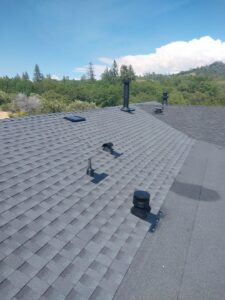
- Material Selection: Choose materials with high solar reflectance and thermal emittance.
- Roof Color: Lighter colors generally reflect more sunlight, meeting cool roof requirements.
- Product Certification: Verify that roofing products are certified by recognized bodies like the Cool Roof Rating Council (CRRC).
Insulation Standards for Certified Roofing Installers
- R-Value: Ensure the insulation meets the required R-value for your climate zone. The R-value measures the insulation’s ability to resist heat flow.
- Installation Quality: Proper installation is crucial to achieving the desired insulation performance.
Ventilation Guidelines for Certified Roofing Installers
- Attic Ventilation: Proper attic ventilation helps regulate temperatures and moisture levels.
- Vent Placement: Install vents strategically to promote air circulation.
Choosing the Right Roofing Materials with a Certified Roofing Installer
Selecting the right roofing materials is essential for meeting Title 24 requirements and enhancing your home’s energy efficiency.
Types of Cool Roof Materials for Title 24 Compliance
- Reflective Shingles: These shingles have special granules that reflect more sunlight.
- Metal Roofing: Metal roofs can be coated with reflective paint to improve their solar reflectance.
- Tile Roofing: Both clay and concrete tiles can be designed to reflect more sunlight and retain less heat.
Insulation Options for Title 24 Compliance
- Foam Board Insulation: This type of insulation offers high R-values and is commonly used in roofing applications.
- Spray Foam Insulation: Provides excellent coverage and seals gaps, improving overall energy efficiency.
Ventilation Solutions Recommended by Certified Roofing Installers
- Ridge Vents: Installed at the roof’s peak, these vents allow hot air to escape.
- Soffit Vents: Located under the eaves, soffit vents let cooler air enter the attic.
The Installation Process by a Certified Roofing Installer: Step-by-Step
Understanding the installation process helps homeowners appreciate the work involved in achieving Title 24 compliance.
Initial Assessment by a Certified Roofing Installer

A certified roofing installer begins with an assessment of your existing roof. They check for damage and determine the best materials and methods for compliance.
Material Selection and Ordering with a Certified Roofing Installer
Based on the assessment, the installer recommends suitable materials that meet Title 24 standards.
Roof Preparation by a Certified Roofing Installer
Next, the installer removes old roofing materials, repairs any damage, and prepares the roof deck for the new installation.
Installation by a Certified Roofing Installer
- Insulation: First, insulation is installed to the required R-value.
- Roofing Material: Next, the chosen cool roof materials are installed.
- Ventilation: Finally, ventilation systems are put in place to ensure proper airflow.
Final Inspection by a Certified Roofing Installer
After installation, a final inspection ensures everything is up to code and meets Title 24 requirements.
Common Challenges and Solutions from a Certified Roofing Installer
While complying with Title 24 can present challenges, a certified roofing installer can help navigate these obstacles.
Challenge: Material Availability
Solution: Work with your installer to source materials early and consider alternative products that meet the same standards.
Challenge: Climate Considerations
Solution: Choose materials and insulation with the appropriate R-values for your climate zone to maximize energy efficiency.
Challenge: Budget Constraints
Solution: Plan your roofing project in stages. By prioritizing essential elements like insulation and ventilation, you can spread out costs.
Cost Implications and Savings with a Certified Roofing Installer
Investing in a Title 24-compliant roof can have significant cost implications. However, it also offers long-term savings.
Initial Costs
- Material Costs: Cool roofing materials and high-quality insulation can be more expensive upfront.
- Labor Costs: Hiring a certified roofing installer may cost more but ensures quality and compliance.
Long-Term Savings
- Energy Bills: A compliant roof reduces energy consumption, lowering monthly utility bills.
- Home Value: Energy-efficient homes are more attractive to buyers, potentially increasing your property’s value.
Environmental Impact
Meeting Title 24 requirements contributes to broader environmental goals.
Reduced Energy Consumption
Compliant roofs decrease the need for heating and cooling, reducing overall energy use.
Lower Greenhouse Gas Emissions
By using less energy, compliant roofs help reduce greenhouse gas emissions associated with energy production.
FAQs
What is Title 24 CA?
Title 24 CA is a set of energy efficiency standards aimed at reducing energy consumption in buildings across California.
Why is a certified roofing installer important?
A certified roofing installer ensures your roof meets Title 24 requirements and is installed correctly for optimal performance.
What are cool roofs?
Cool roofs are designed to reflect more sunlight and absorb less heat, helping to reduce energy consumption.
How does insulation affect energy efficiency?
Proper insulation helps maintain indoor temperatures, reducing the need for heating and cooling.
What are the benefits of complying with Title 24?
Benefits include lower energy bills, improved indoor comfort, increased home value, and reduced environmental impact.
What types of materials are considered cool roofs?
Materials like reflective shingles, metal roofing with reflective coatings, and tile roofing can qualify as cool roofs.
Conclusion
Title 24 CA requirements in residential roofing are essential for creating energy-efficient, comfortable, and environmentally friendly homes. By working with a certified roofing installer such as Richard Hockett Roofing, homeowners can ensure their roofs meet these standards, providing long-term benefits in energy savings and sustainability. Understanding and complying with these regulations might seem complex, but with the right guidance, it becomes a manageable and rewarding endeavor.