
From the ground, an asphalt roof may look like one simple surface. Under the visible shingles, however, there may be an older roof covering that was never removed. Multiple shingle layers can affect how a roof is inspected, repaired, and eventually replaced.
This condition does not automatically mean the roof is leaking or unsafe. It does mean homeowners need a clearer picture of what is installed before approving repairs or comparing replacement estimates. The number of roof coverings influences tear-off, disposal, access to the decking, and the amount of hidden damage that may be discovered.
What Multiple Shingle Layers Actually Mean
The phrase refers to separate roof coverings installed one over another. Instead of removing the original shingles, a later installer placed another course of shingles on top.
This is different from the construction of an individual asphalt shingle. A shingle is manufactured with several material layers, which may include protective granules, asphalt, a reinforcing mat, and sealant. Those components work together as one roofing product.
A layered shingle roof contains two or more complete generations of those products. The older roof remains underneath the visible one, along with its previous fasteners, wear, repairs, and irregularities.
Multiple shingle layers add material to the structure. The exact amount depends on the products, roof size, and installation.
Why Do Some Homes Have a Layered Shingle Roof?
Installing new shingles over an existing roof can appear to save time and reduce the initial tear-off work. However, leaving the old roof in place limits access to the decking and can conceal conditions that would otherwise be visible.
Older homes may also have work completed under different standards or by several owners. The current homeowner may not know whether an overlay was installed, especially when invoices, permits, or photographs are unavailable.
How Inspectors Identify Multiple Shingle Layers
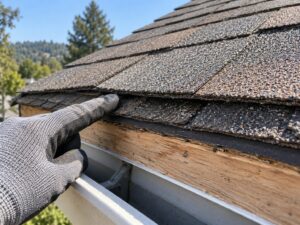
Homeowners should not climb onto the roof to investigate. A roofing professional can look for clues from safe access points and document the findings.
Possible signs include:
- A thicker-than-expected edge along the eaves
- More than one shingle profile visible near the drip edge
- Uneven, wavy, or unusually raised roof surfaces
- Flashing details that appear buried or built up
- Previous records describing an overlay or reroof
- Several generations of roofing visible at a removed vent or other opening
These clues may suggest multiple shingle layers, but removal may be needed for confirmation. A professional should distinguish confirmed findings from suspected or concealed conditions.
Multiple Shingle Layers Can Hide Decking Damage
Roof decking is the wood surface that supports the roofing system. During a complete tear-off, the crew can examine the exposed decking for deterioration, movement, gaps, and damaged areas.
When old shingles remain in place, the installer cannot see the full decking surface. Soft or deteriorated wood, old leak damage, and poor previous repairs may remain hidden beneath both roof coverings.
Sagging, recurring stains, deteriorated eaves, or movement may justify closer evaluation. Still, no inspection can confirm every concealed condition before tear-off.
This is why a written estimate should explain how hidden decking work will be handled. Homeowners should know how damage will be photographed, how pricing will be communicated, and who must approve additional work.
Added Roofing Material Means Added Weight
Every additional roof covering adds material to the structure. The exact amount depends on the products, roof size, and installation.
If sagging, movement, or framing concerns are visible, a qualified professional may recommend further evaluation.
Weight is only one consideration. The older shingles also create an uneven base. New fasteners must pass through the top shingles and the existing roof before reaching an appropriate substrate. Existing ridges, curled shingles, and irregular repairs can affect how the upper roof lies and performs.
A Layered Shingle Roof May Be Harder to Diagnose
Water does not always enter directly above the interior stain. It can travel beneath roofing materials or along decking before becoming visible inside.
With multiple roof coverings, there are more concealed paths and old details to consider. Previous flashing may be buried, and an upper-layer repair may not correct a problem that began beneath it.
Localized repairs may still be possible, but the contractor should explain their limitations. Widespread wear or repeated problems may justify evaluating the complete system.
Heat, Ventilation, and Surface Irregularities Matter
Placerville and nearby foothill roofs experience strong summer sun, seasonal rain, wind, and tree debris. Roofing materials need proper ventilation and a sound installation to manage those conditions.
Adding shingles over an irregular surface can make bumps, lifted areas, and old damage more noticeable over time. It may also complicate ventilation improvements because the contractor still needs to understand how intake and exhaust components work with the attic and roof design.
They are one part of the system that should be evaluated with attic conditions, vents, insulation, drainage, and roofing material.
Why Complete Tear-Off Provides Better Information
When multiple shingle layers are present, a complete tear-off removes every existing roof covering down to the decking. This gives the crew a clearer opportunity to inspect the wood, replace damaged sections, correct certain flashing details, and prepare a more consistent surface for the new roof.
Tear-off also creates a natural documentation point. Photographs can show:
- How many roof coverings were removed
- The condition of the exposed decking
- Areas affected by old leaks or repairs
- Decking replacements completed during the project
- New underlayment and flashing before shingles cover them
This record helps homeowners understand why additional work was needed. It also provides useful project history for future maintenance or a later sale.
What Placerville Homeowners Should Ask
Homeowners in Placerville may own properties that have changed hands or been updated several times. When the roofing history is unclear, ask the contractor to document the visible evidence rather than guessing.
Useful questions include:
- How many roof coverings appear to be installed?
- Can you show me the evidence in photographs?
- Does the estimate include removing every existing layer?
- How will disposal be calculated if an additional layer is found?
- What decking condition can be evaluated before tear-off?
- How will concealed damage and change orders be handled?
- Will flashing, ventilation, and drainage details be reviewed?
- What parts of the scope are included or excluded?
The answers should appear in the written proposal whenever they affect the scope or price. Verbal assumptions can create confusion once the roof is open and the crew discovers something unexpected.
Multiple Shingle Layers Deserve a Closer Look
Multiple shingle layers may not be obvious from the street, and they do not reveal the full condition of the roof by themselves. They do tell the contractor and homeowner that more material, concealed history, and possible irregularities must be considered.
A careful inspection can document visible clues and help prepare a realistic scope. During replacement, a complete tear-off provides the clearest view of the decking and previous work. That information leads to better conversations about repairs, materials, unexpected conditions, and project cost.
If you’re not sure what condition your roof is in, you can book your roof inspection online today and we’ll give you clear answers.