
Choosing the best roofing for homes in El Dorado County is about more than just appearance. With hot, dry summers, cold winters, occasional snow at higher elevations, and an increased risk of wildfires, local homeowners need roofing systems that are durable, fire-resistant, and built to handle Northern California’s changing conditions.
At Richard Hockett Roofing, we specialize in roof repairs and re-roofs throughout El Dorado County, including Placerville, El Dorado Hills, Cameron Park, Pollock Pines, and surrounding foothill communities. Because multiple roofing materials are commonly used when replacing or repairing a roof, selecting the right option can feel overwhelming. Drawing on decades of hands-on experience, this guide breaks down the best roofing options for El Dorado County homes and explains which materials perform best based on climate, fire risk, and long-term value.
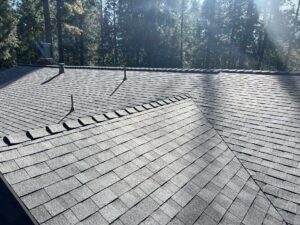
1. Architectural Asphalt Shingles – The Best All-Around Roofing Option
Best for: Most residential homes, balanced cost and durability
Architectural (or dimensional) asphalt shingles are the most commonly installed roofing material in El Dorado County. For this reason, they remain the top choice for many homeowners, and here’s why.
Why asphalt shingles work well in El Dorado County:
- Designed to withstand heat, wind, and rain
- Available in Class A fire-rated options, critical for wildfire-prone areas
- Cost-effective for both repairs and full re-roofs
- Wide range of colors and styles to match local homes
Modern architectural shingles are thicker and longer-lasting than older 3-tab shingles, making them a strong choice for both suburban and rural properties.
Typical lifespan: 20–30 years
Ideal for: Placerville, Cameron Park, El Dorado Hills, and similar neighborhoods
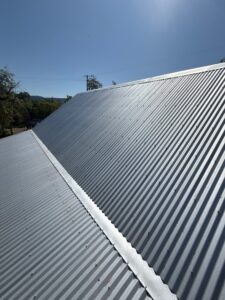
2. Metal Roofing – Excellent for Fire Resistance and Longevity
Best for: Rural properties, wildfire zones, long-term investment
Metal roofing has grown increasingly popular throughout El Dorado County foothill areas, especially where fire safety and durability are top priorities.
Benefits of metal roofing:
- Naturally fire-resistant and often Class A rated
- Sheds snow and rain efficiently
- Reflects sunlight, improving energy efficiency in summer
- Extremely resistant to wind damage
This type of roofing is effective in areas like Pollock Pines or higher-elevation regions where snow and falling debris are cause for concerns.
Typical lifespan: 40–50 years
Upfront cost: Higher, but often lower lifetime cost due to durability
3. Tile Roofing – Ideal for Heat Resistance and Long-Term Performance
Best for: High-end homes and hot microclimates
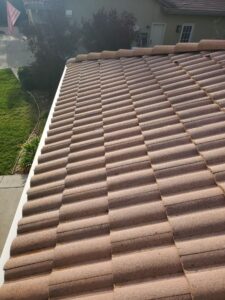
Concrete and clay tile roofs perform exceptionally well in hot, dry El Dorado County summers, particularly in lower-elevation areas.
Advantages of tile roofing:
- Superior resistance to heat and UV exposure
- Naturally fire-resistant
- Long lifespan with proper installation
- Strong curb appeal and resale value
Tile roofing is heavier than other materials, so your home’s structure must be evaluated before installation.
Typical lifespan: 50 years
Best suited for: Homes built to support heavier roofing systems
Fire Ratings and Roofing Codes in El Dorado County : What Homeowners Need to Know
El Dorado County homeowners face a unique set of challenges when it comes to roofing—especially when it comes to fire safety. With much of the county located in or near forested areas, strict roofing codes and fire ratings are in place to help reduce wildfire risk and protect homes.
Unfortunately, many homeowners don’t learn about these requirements until they’re dealing with an insurance issue, a home sale, or a failed inspection.
At Richard Hockett Roofing, we work with El Dorado County roofing codes every day. Here’s what homeowners should understand about fire ratings, Wildland-Urban Interface (WUI) zones, and roofing requirements in our area.
Why Fire Ratings Matter in El Dorado County
Wildfires are a real and ongoing concern throughout Northern California, especially in foothill and rural communities like those found across El Dorado County.
Your roof is one of the most vulnerable parts of your home during a wildfire. Flying embers—not just flames—are often responsible for homes catching fire. A properly rated roofing system can dramatically reduce that risk.
With that being said, fire-resistant roofing isn’t just recommended here—it’s often required by code.
Understanding Roof Fire Ratings (Class A, B, and C)
Roofing materials are tested and rated based on how well they resist fire. These ratings are recognized statewide and enforced locally.
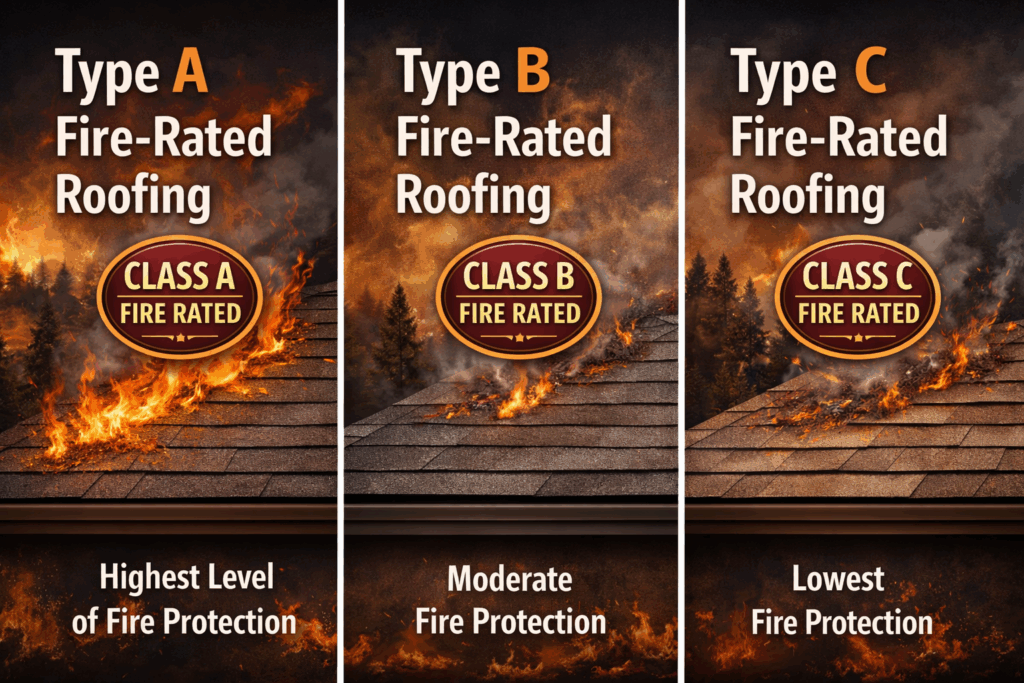
Class A – Highest Fire Resistance (Strongly Recommended / Often Required)
Class A roofing offers the highest level of protection against severe fire exposure, with the ability to withstand direct flame, intense heat, and flying embers. All of that into account, Class A materials are required in many areas of El Dorado County, particularly in wildfire-prone and WUI-designated zones. Common Class A roofing options include architectural asphalt shingles, metal roofing, concrete and clay tile, and select fire-treated composite materials. For these reasons, Class A roofing is widely considered the safest and most insurance-friendly choice for El Dorado County homes.
Class B – Moderate Fire Resistance
Class B roofing materials offer limited fire protection and are therefore less commonly approved in wildfire-prone areas throughout El Dorado County. While they may perform adequately under moderate fire exposure, these materials often fail to meet the stricter standards required in high-risk regions. In particular, many Class B roofing systems do not comply with Wildland-Urban Interface (WUI) zone requirements, which further limits their use for local homeowners concerned with fire safety, permitting, and insurance approval.
Class C – Minimal Fire Resistance
Class C roofing materials provide the lowest level of fire resistance and offer minimal protection against flame exposure and flying embers. Due to these limitations, Class C roofs are typically not allowed in high fire-risk areas throughout El Dorado County, particularly in communities surrounded by vegetation or designated as Wildland-Urban Interface (WUI) zones. For this reason, Class C roofing is rarely recommended for local homeowners and is generally avoided because of safety concerns, code restrictions, and insurance requirements.
What Is a Wildland-Urban Interface (WUI) Zone?
Large portions of El Dorado County are designated as Wildland-Urban Interface (WUI) areas. These are zones where homes are built near or within natural vegetation, increasing wildfire risk.
If your home is in a WUI zone:
- Roofing materials must meet strict fire-resistance standards
- Class A fire-rated roofing is often mandatory
- Certain materials (like untreated wood shake) are prohibited
Many homeowners are surprised to learn their property falls within a WUI zone—even in developed neighborhoods.
Roofing Materials That Typically Meet El Dorado County Fire Codes
Here are roofing materials that are commonly approved and recommended for El Dorado County:
Architectural Asphalt Shingles
- Widely available in Class A ratings
- Cost-effective and code-compliant
- Popular choice for re-roofs and repairs
- GAF, Owens Corning, CertainTeed, and Malarkey are reliable options.
Metal Roofing
- Naturally non-combustible
- Excellent ember resistance
- Ideal for rural and wooded properties
- Most popular brands include MS Metal Sales and ASC
Concrete & Clay Tile
- Fire-resistant by nature
- Long-lasting and durable
- Requires proper underlayment and installation
- Eagle Roofing and Boral are brands to consider
How Roofing Codes Affect Insurance and Home Sales
Roofing fire ratings don’t just impact safety—they can directly affect:
- Home insurance eligibility
- Insurance premiums
- Home inspections
- Real estate transactions
Because of stricter wildfire-related guidelines, insurance companies now require homeowners to provide proof of a Class A fire-rated roof, documentation of a recent roof replacement, and verification that the roofing system meets local fire codes. In many cases, replacing an outdated or non-compliant roof can be the determining factor in whether a homeowner is able to obtain insurance coverage.
So, What Is the Best Roof for El Dorado County Homes?
For most homeowners, the best options are:
- Architectural asphalt shingles for affordability and reliability
- Metal roofing for fire resistance and long-term durability
Above all, the right roof depends on:
- Your home’s elevation and surroundings
- Fire risk and insurance requirements
- Budget and long-term plans
- Desired appearance and energy efficiency
Why Choose a Local El Dorado County Roofing Contractor?
Local experience matters. At Richard Hockett Roofing, we understand:
- Local weather patterns
- County permitting requirements
- Fire safety regulations
- The roofing systems that perform best over time in this region
Whether you need a roof repair, roof replacement, or an expert opinion on the best roofing material for your home, our team is here to help.
Contact Richard Hockett Roofing today for a roof inspection or free estimate and protect your home with a roofing system built for El Dorado County.
Also check out El Dorado County Roofing Insights: How a New Roof Translates to Real Home Value