
Roof estimate changes can feel frustrating. You sign an estimate and expect the price to stay the same. Then tear-off reveals something hidden. Understandably, you may wonder why it was not included from the beginning.
Changes after tear-off can happen when unexpected conditions are exposed. That does not make every adjustment reasonable. A trustworthy roofer should document the finding, explain its effect, and receive approval before moving forward.
Here is what El Dorado County homeowners should know about possible changes after a roof is opened up.
What Roof Tear-Off Can Reveal About the Final Estimate
Tear-off is the process of removing the existing shingles, tile, underlayment, flashing, and other materials needed to reach the roof deck. The roof deck, also called sheathing, is the wood surface attached to the rafters or trusses. It provides the base for the roofing system installed above it.
An inspection can reveal surface problems before work begins. Drone photos may show missing materials, deteriorated flashing, uneven areas, and damaged penetrations. An attic inspection may uncover staining or moisture. However, no exterior inspection can provide a complete view of covered wood.
Once those layers are removed, the crew can check whether the decking is solid, dry, properly fastened, and able to support the new roof. Previously hidden conditions may then affect the final estimate.
Common Reasons for Roof Estimate Changes
Most legitimate roof estimate changes are connected to work needed for the new roof to be installed correctly. Several conditions are especially common.
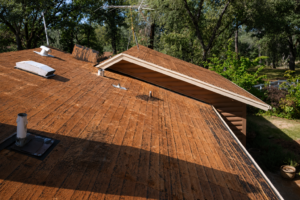
Hidden Roof Decking Damage Can Change the Estimate
Water can enter through worn shingles, failed flashing, roof penetrations, or an older leak. Over time, moisture can cause the wood beneath the roof to stain, swell, soften, or rot. Damaged decking may not hold roofing fasteners securely and should not simply be covered with new material.
Signs of roof deck wood rot can include sagging, discoloration, cracking, crumbling, a soft texture, or a musty odor. The full extent may only become visible after shingles and underlayment are removed.
Damage may be limited to one section, while a long-term leak could affect a larger area. The amount of wood replaced affects material and labor costs.
Extra Roofing Layers Can Affect the Final Price
Some homes have more than one roofing layer. Visible edges provide clues, but additions, previous repairs, or different roof sections may hide the system’s complete history.
Removing additional layers requires more labor and creates more disposal weight. If the material was not visible or disclosed before the project, it may lead to an estimate adjustment.
Deteriorated Flashing Can Increase the Scope
Chimneys, skylights, vents, and other roof openings rely on flashing to direct water away from vulnerable joints. Once the surrounding roofing is removed, the crew may find corroded metal, damaged wood curbs, improper past repairs, or installation details that cannot be reused safely.
Replacement may require additional material or labor. The roofer should show what was uncovered and explain why it cannot be reused.
Framing Concerns Can Affect Roofing Costs
Occasionally, removing damaged decking reveals an issue with the rafters or supports below. New decking needs a sound structure beneath it.
A roofing contractor should not make unsupported claims about structural damage. If the condition extends outside the roofer’s scope or requires specialized evaluation, the homeowner should be told what additional assessment is needed.
Required Installation Updates May Change the Estimate
Older roofs may contain materials or installation methods that do not work with the planned replacement. Tear-off may also reveal ventilation, fastening, or transition details that require correction.
Requirements depend on the home, roofing material, manufacturer instructions, and applicable local rules. A contractor should explain the specific requirement rather than using “code” as a vague reason for an added charge.
Why Foothill Roof Conditions Can Affect an Estimate
Foothill UV, summer heat, winter rain, wind, and tree debris can expose weak areas. Pine needles may collect in valleys or around penetrations, slowing drainage and holding moisture. Small leaks may go unnoticed during dry months.
Older foothill homes may also have past repairs, additions, or multiple roof sections completed at different times. One area can look acceptable from the exterior while the decking below shows evidence of a much older leak. Dry rot is especially important to address because weakened wood cannot provide a dependable base for a new roof.
Not every foothill roof will have added costs. These conditions explain why clear procedures for hidden damage matter.

How a Professional Roofer Should Explain Roof Estimate Changes
Discovering hidden damage should not result in a vague phone call followed by an unexplained bill. A professional process gives the homeowner enough information to understand what changed.
The contractor should:
- Stop and document the uncovered condition before covering it
- Provide clear photos showing the location and extent of the problem
- Explain why the additional work is needed
- Describe how the work affects the price or schedule
- Receive authorization according to the agreement before proceeding
- Document the completed repair before installing the next roof layers
Detailed photos matter because homeowners cannot safely inspect the wood themselves. Before-and-after images document the problem and correction.
Organized project tracking also helps keep changes from becoming confusing. The estimate, photos, approvals, and updated scope should tell the same story. Homeowners should know who to contact with questions and have access to someone who can provide a straightforward answer.
Questions to Ask About Possible Estimate Changes
You do not need to predict hidden damage. Before signing, ask how possible roof estimate changes will be handled if something is discovered.
Helpful questions include:
- What visible conditions are included in this estimate?
- How will decking replacement be priced if damaged wood is found?
- Will I receive photos before additional work begins?
- Who approves a change to the scope?
- How could hidden damage affect the schedule?
- Will I receive documentation after the repair is completed?
Clear answers can tell you a great deal about the contractor’s process. Be cautious if the explanation is rushed, the pricing method is unclear, or the company is unwilling to document the condition.
Are Roof Estimate Changes Always a Red Flag?
No. A change can be legitimate when it addresses a condition that could not reasonably be seen before tear-off. Covering rotted decking or ignoring failed components simply to preserve the original price would not serve the homeowner.
The real test is transparency. You should be shown what was found, understand why it matters, and know the cost before the added work moves forward. A professional contractor should never use hidden damage as an excuse for unclear pricing or poor communication.
Richard Hockett Roofing explains visible concerns before work begins and documents the project as each roof layer is exposed. Homeowners can also learn more about roof decking damage, including the warning signs and reasons damaged wood may require replacement. Our focus is a professional, by-the-books process with detailed photos, organized communication, and clear access to answers throughout the project.
Clear Documentation Makes Roof Estimate Changes Easier to Understand
No homeowner wants a surprise. Although hidden conditions cannot always be predicted, the response should be predictable. Documentation, clear pricing, homeowner approval, and owner availability keep everyone informed.
When you review a roofing estimate, look beyond the starting number. Make sure the agreement explains how unforeseen work will be handled and choose a company willing to show its findings rather than asking you to accept a change without evidence.
If you’re not sure what condition your roof is in, you can book your roof inspection online today and we’ll give you clear answers.