

Roof leaks rarely happen out of nowhere. In most cases, they develop over time due to wear, environmental conditions, and underlying issues that aren’t always visible from the ground. Understanding the causes of roof leaks California homeowners commonly deal with can help you catch problems earlier, avoid more expensive damage, and make better decisions about repairs or replacement.
Common Causes of Roof Leaks in California Homes
Homes in Northern California—especially in foothill areas like El Dorado County and Folsom—face a unique mix of conditions that can accelerate roof wear.
Long, hot summers expose roofing materials to intense UV rays, while seasonal rain brings moisture that can find its way into even small vulnerabilities. Over time, this combination breaks down roofing systems, especially if the roof is older or hasn’t been inspected recently.
Instead of a single cause, most leaks come from a combination of factors that build up over time.
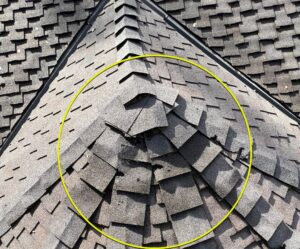
In Northern California, heat and sun exposure can cause shingles to crack, lift, and eventually lead to roof leaks.
Damaged or Aging Shingles
One of the most common causes of roof leaks is simply aging materials. As shingles get older, they begin to lose flexibility and strength. They may crack, curl, or break down, especially after years of sun exposure.
Once shingles start to fail, they can no longer protect the layers beneath them. This allows water to work its way into the roof system, particularly during heavy rain or storms.
In many cases, this type of wear is gradual, which makes it easy to miss until a leak appears inside the home.
Flashing Failures Around Roof Penetrations
Flashing is the material used to seal areas where the roof meets something else, such as chimneys, vents, or skylights. These areas are some of the most vulnerable points on any roof.
Over time, flashing can:
- Crack or separate
- Corrode
- Become loose due to expansion and contraction
When flashing fails, water can enter through these gaps and travel into the roof structure. These leaks often show up near ceilings, walls, or around fixtures inside the home.
Clogged or Improperly Functioning Gutters
Gutters play an important role in directing water away from your roof and home. When they become clogged with debris, water can back up and sit along the roof edge.
This standing water can:
- Seep under shingles
- Damage roof edges
- Lead to wood rot
In foothill areas with trees and seasonal debris, this is a very common issue. Regular maintenance can help reduce the risk, but once damage has started, it may require more than a simple cleaning.
Poor Roof Installation or Previous Repairs
Not all roofing issues are caused by age or weather. In some cases, leaks are the result of improper installation or repairs that didn’t fully address the problem.
Common issues include:
- Improperly installed flashing
- Inadequate sealing
- Missed problem areas during repairs
These types of problems may not show up right away. However, over time, they can lead to leaks that are harder to trace and fix.
This is one reason why having a thorough, well-documented inspection matters before moving forward with repairs or replacement.
Hidden Moisture and Dry Rot
In Northern California, especially in areas with fluctuating temperatures and moisture levels, hidden damage beneath the roof surface is not uncommon.
Moisture can become trapped under shingles or within the roof structure. Over time, this can lead to:
- Dry rot in the decking
- Weakening of structural components
- Mold or mildew growth
These issues often go unnoticed until a leak becomes visible inside the home. By that point, the damage may already be more extensive than expected.
In foothill areas of Northern California, it’s also common to find dry rot around roof edges and penetrations due to repeated heat and moisture cycles. These conditions can break down materials over time, even if the surface looks intact. In some cases, roofing work may also need to meet current California energy standards, especially when ventilation or insulation upgrades are involved.
Ventilation Problems and Heat Buildup
Proper ventilation plays a critical role in the health of your roof. When heat builds up in the attic, it can cause roofing materials to age more quickly.
Poor ventilation is one of the more overlooked causes of roof leaks California homeowners deal with, especially in hot climates.
Poor ventilation can lead to:
- Increased shingle wear
- Warping of materials
- Moisture buildup inside the attic
In hot Northern California summers, this can significantly shorten the lifespan of a roof and increase the likelihood of leaks developing over time.
Storm Damage and Wind Exposure
While Northern California doesn’t experience the same level of severe storms as some regions, wind and seasonal weather still play a role in roof damage.
Strong winds can:
- Lift or loosen shingles
- Expose vulnerable areas
- Push water into small openings
Even minor storm damage can create entry points for water. These issues may not be immediately obvious but can lead to leaks later on.
Why Roof Leaks Aren’t Always Easy to Find
One of the most frustrating parts of dealing with a roof leak is that the source isn’t always where the problem appears inside your home.
Water can travel along beams, insulation, or other materials before it becomes visible. This means a stain on your ceiling may not be directly below the actual leak.
That’s why identifying the true cause requires more than a quick visual check.

Our inspection process uses drone technology to capture clear, detailed views so homeowners can understand exactly what’s happening on their roof.
Why Identifying the Causes of Roof Leaks in California Matters
When it comes to diagnosing roof leaks, a thorough inspection makes all the difference. A professional process should include detailed photo documentation of the roof’s condition, including areas that are difficult to see from the ground.
In many cases, this also involves aerial or drone inspections. These allow for a clearer view of the entire roof system and help identify problem areas that might otherwise be missed.
A well-documented inspection helps homeowners:
- See exactly what’s going on
- Understand the cause of the leak
- Make informed decisions about next steps
This kind of organized, step-by-step approach removes guesswork and ensures nothing is overlooked. It also allows homeowners to clearly see what’s happening on their roof instead of relying on assumptions.
When Causes of Roof Leaks in California Point to Bigger Problems
Not every roof leak requires a full replacement. In some cases, a targeted repair may be enough to resolve the issue.
However, if leaks are caused by:
- Widespread aging
- Multiple problem areas
- Underlying structural damage
…then a more comprehensive solution may be needed.
Addressing the root cause—not just the visible symptom—is key to avoiding ongoing problems and repeated repairs.
How to Stay Ahead of Roof Leaks in California Homes
Understanding the causes of roof leaks California homeowners commonly experience can help you stay ahead of more serious issues. Most leaks don’t happen suddenly—they develop over time as materials wear down and small problems go unnoticed.
The sooner you identify the cause, the easier it is to fix the issue before it leads to larger damage inside your home.
If you’re not sure what condition your roof is in, you can book your roof inspection online today and we’ll give you clear answers.


Recent Comments